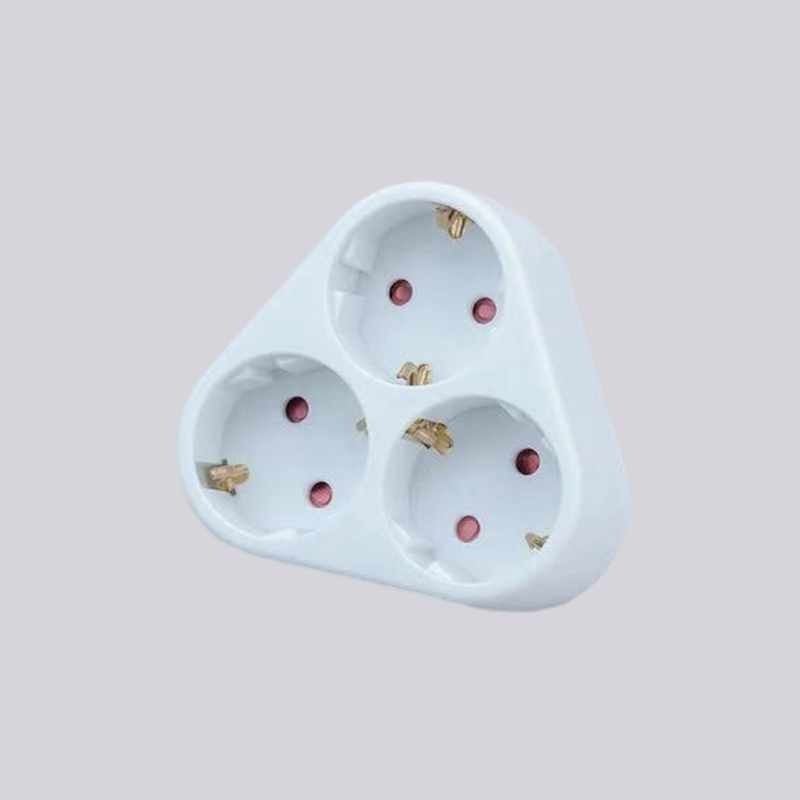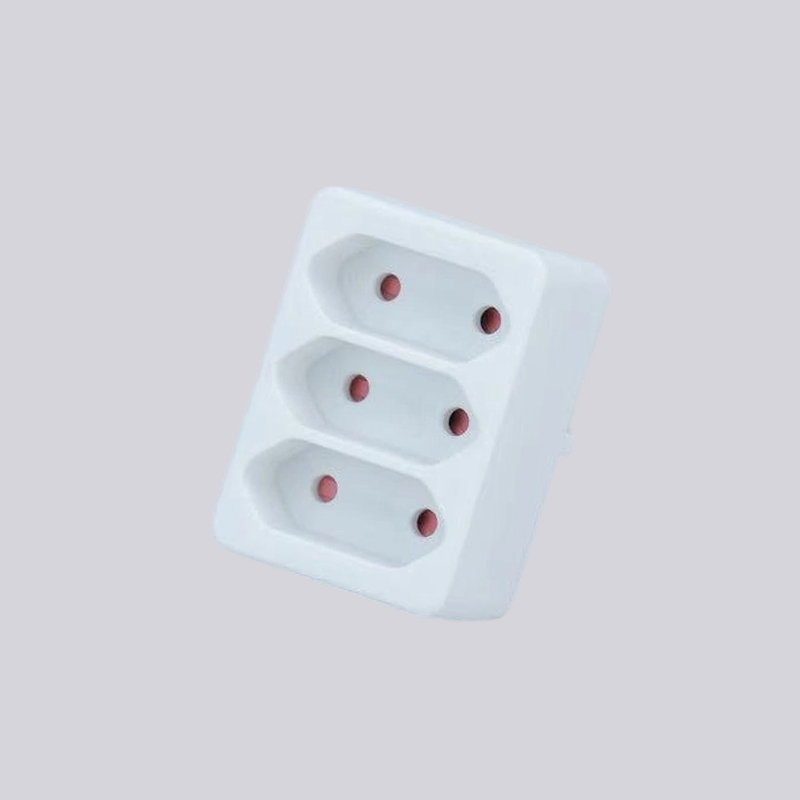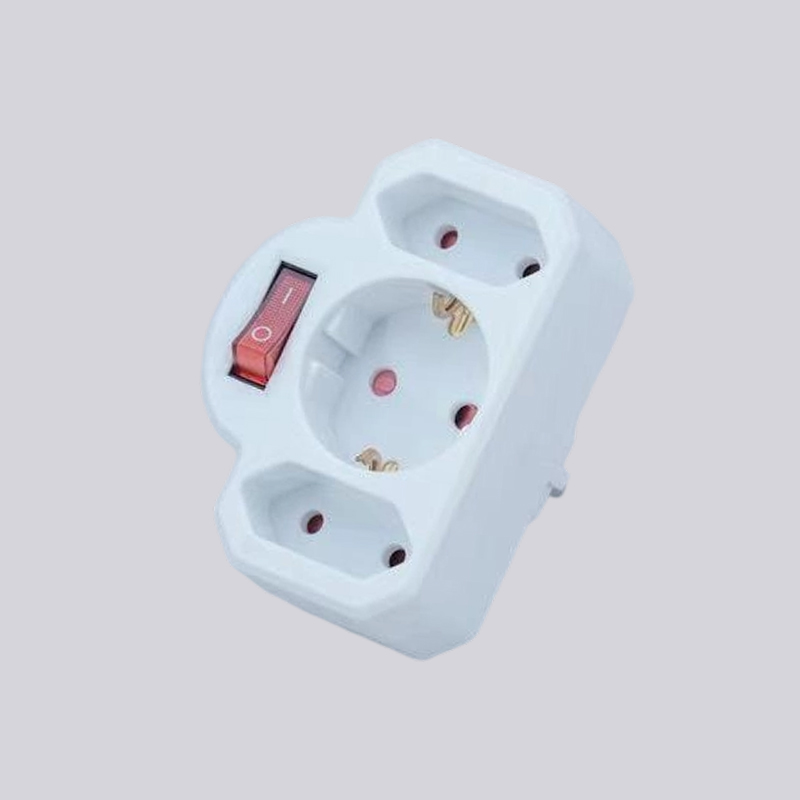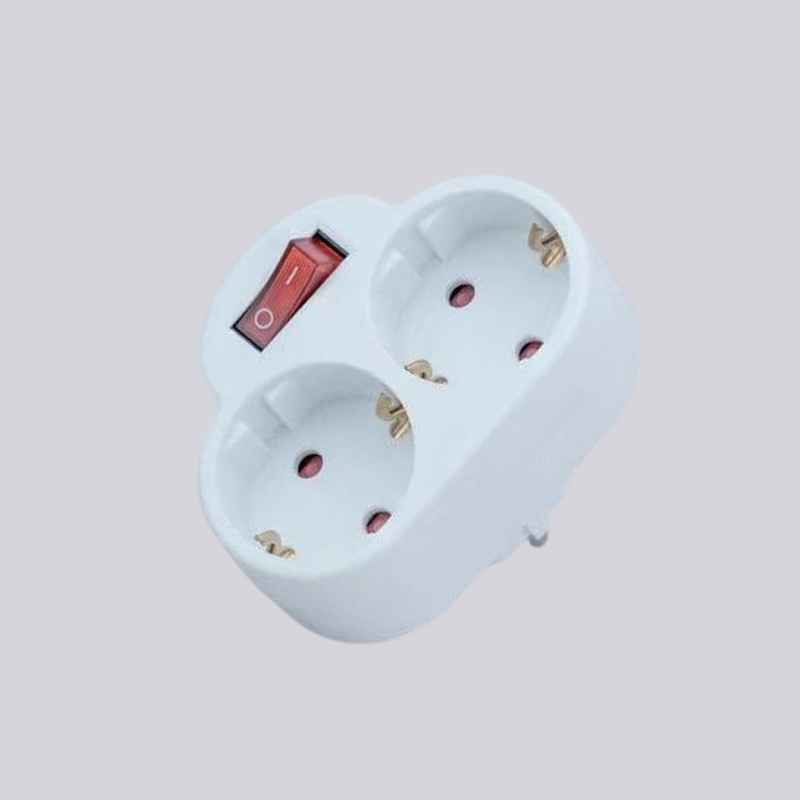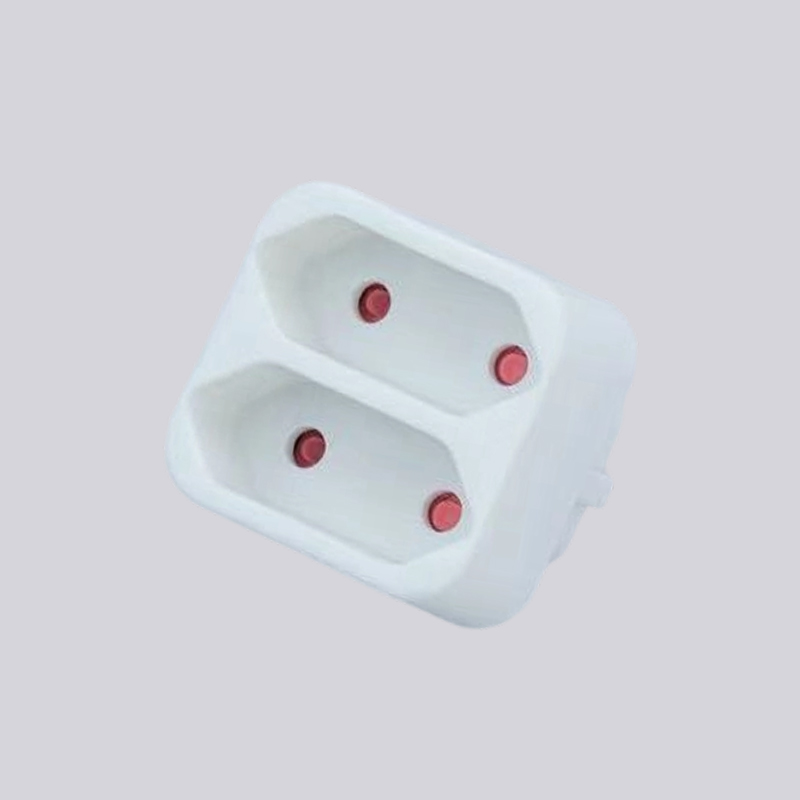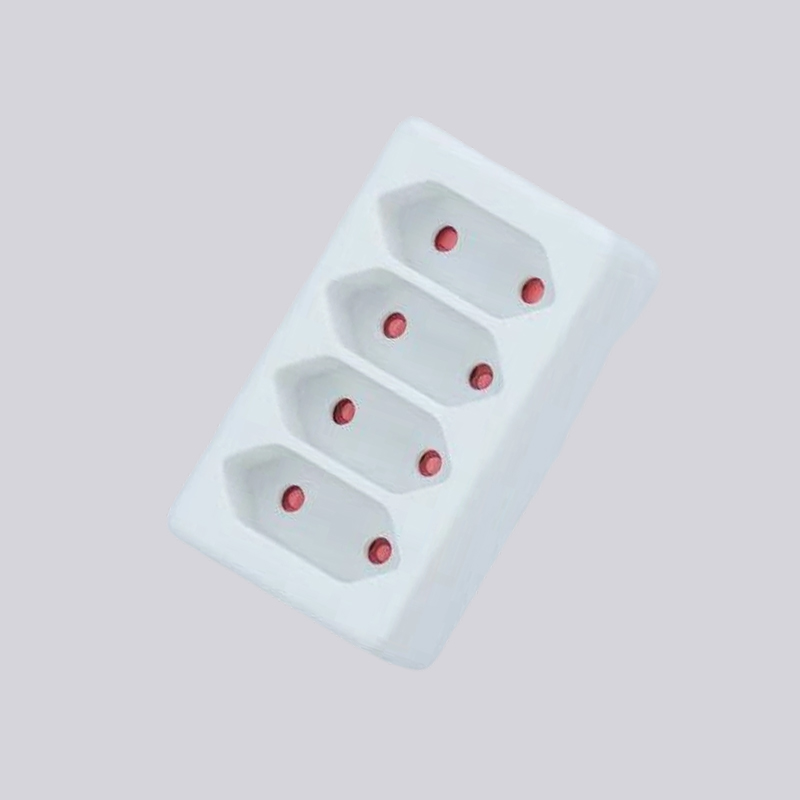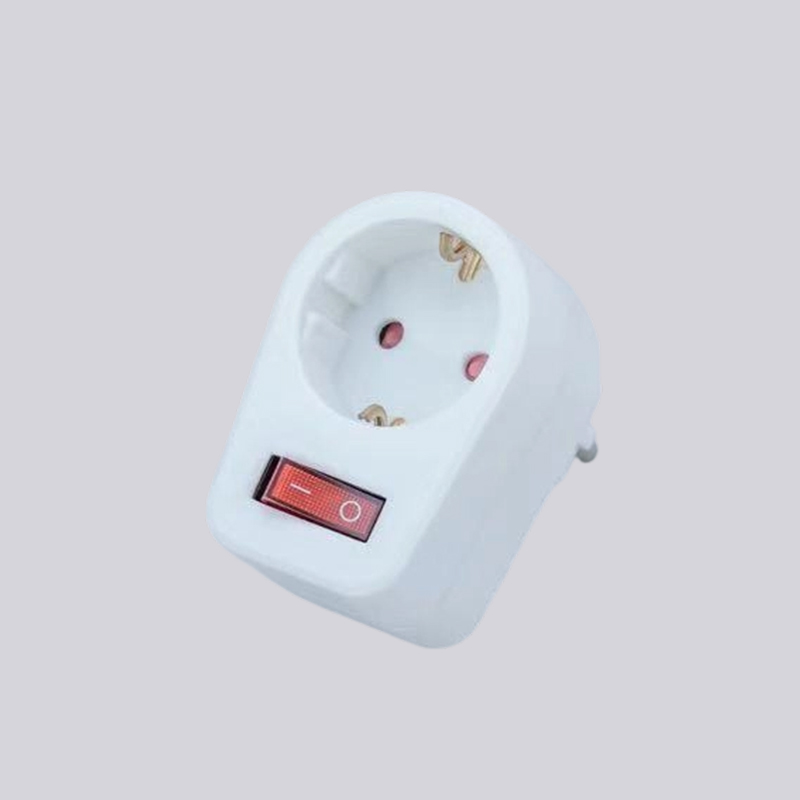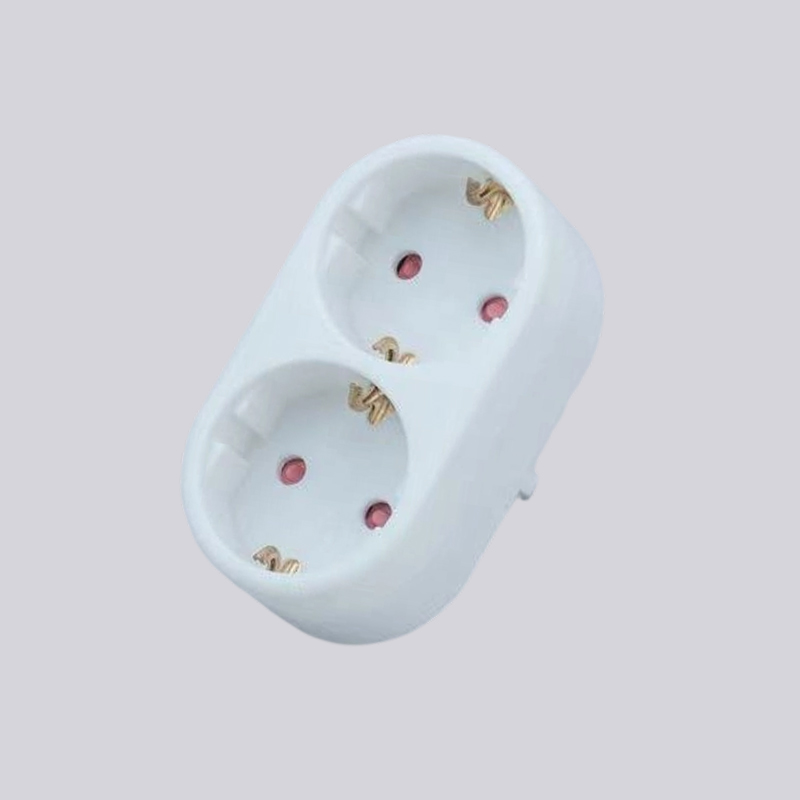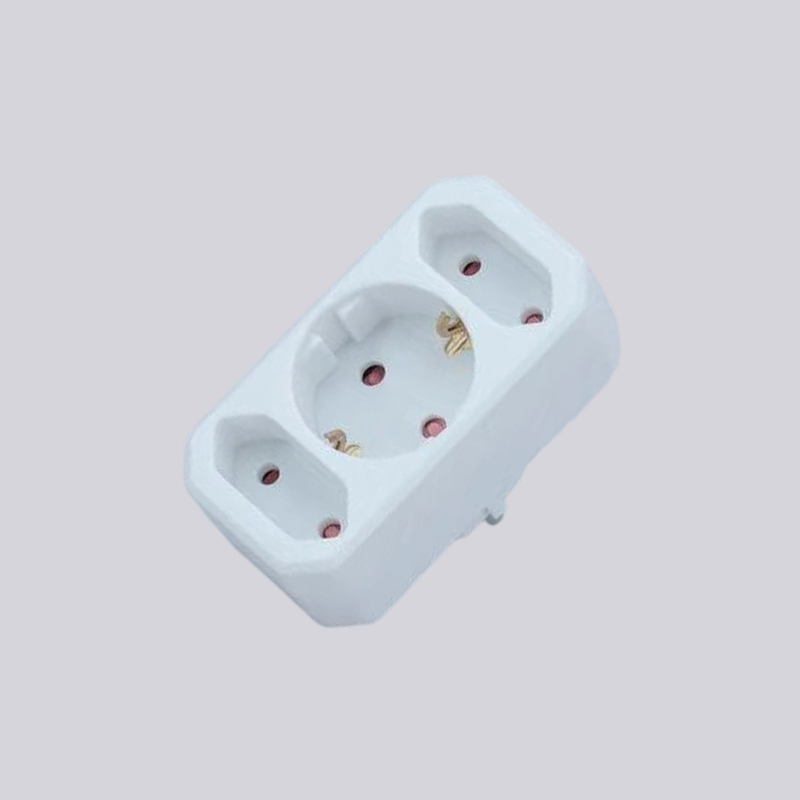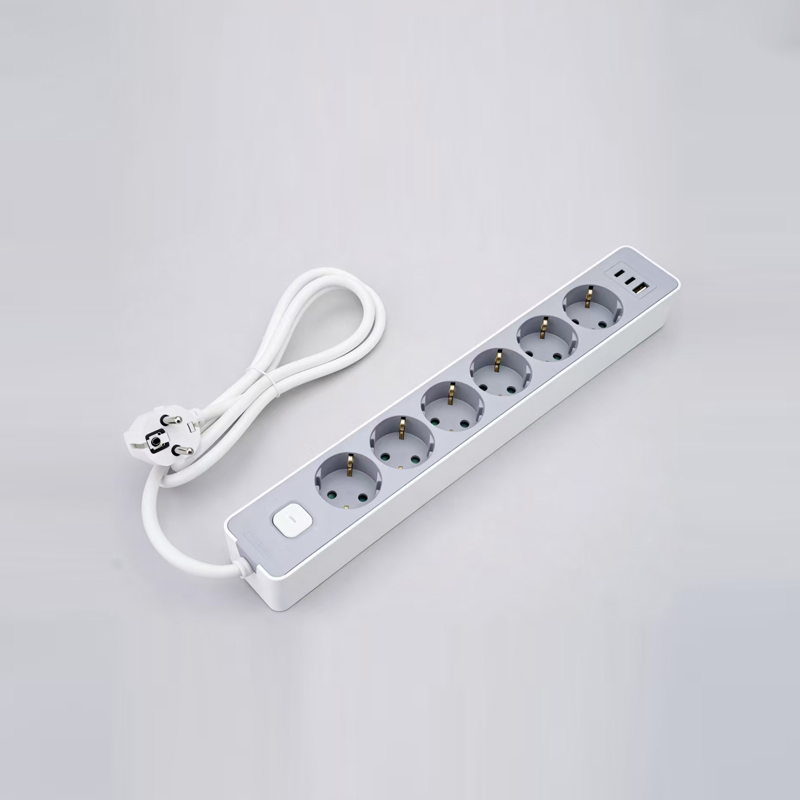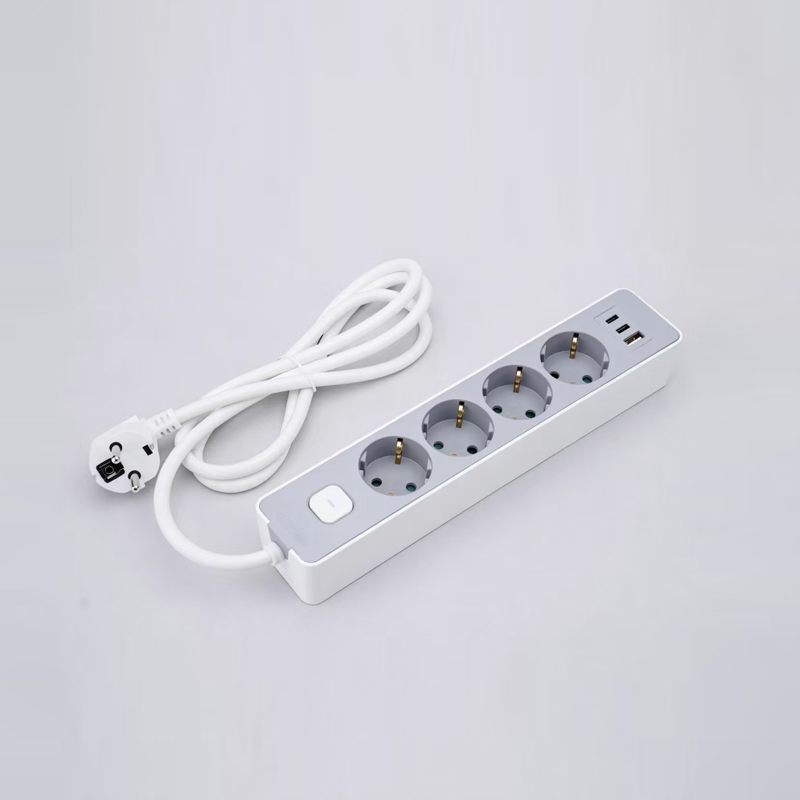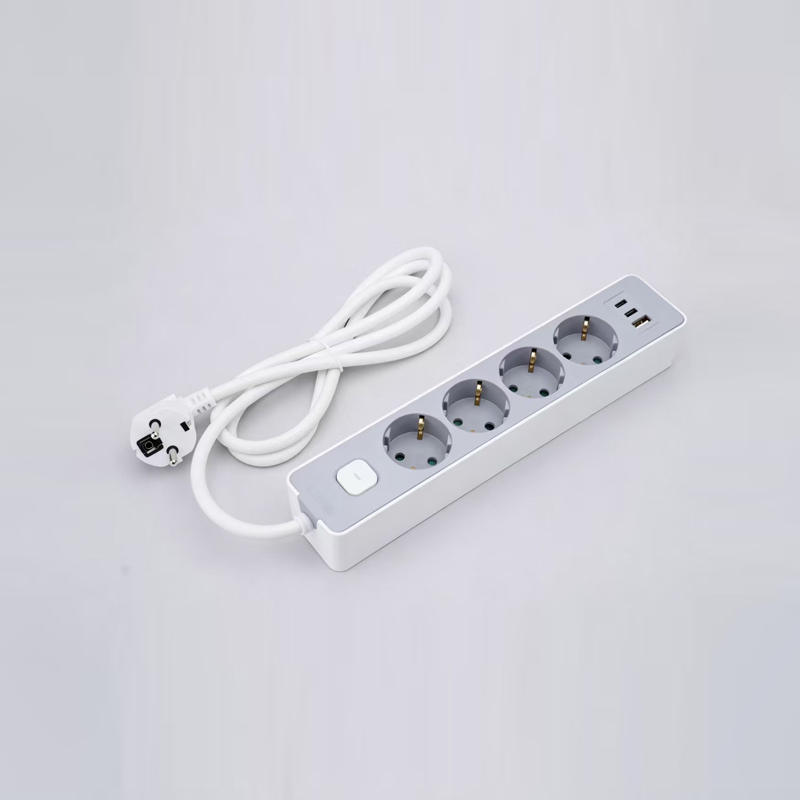





En iyi seyahat güç şeridi Avrupa için, yerleşik aşırı gerilim koruması, Tip C veya evrensel adaptör fişi, en az 3 AC prizi ve 2-4 USB bağlantı noktası bulunan kompakt, çift voltaj uyumlu bir ünitedir (100–240V) — tümü Avrupa'nın 220–240V, 50Hz elektrik standardını karşılayacak şekilde onaylanmıştır. İster iş ister eğlence amaçlı seyahat ediyor olun, Avrupa'nın elektrik sistemi Kuzey Amerika'nınkinden önemli ölçüde farklıdır ve yanlış uzatma kablosunun kullanılması cihazlarınıza zarar verebilir, devre kesicileri attırabilir veya en kötü durumda yangın tehlikesi oluşturabilir. Bu kılavuz tam olarak nelere dikkat etmeniz gerektiğini, nelerden kaçınmanız gerektiğini ve ihtiyaçlarınıza en uygun seyahat uzatma kablosunu nasıl seçeceğinizi açıklamaktadır.
Avrupa'nın Elektrik Sistemi Neden Özel Bir Seyahat Güç Kablosu Gerektiriyor?
Avrupa, 50Hz'de 220–240V ile çalışır; bu, Kuzey Amerika'da kullanılan 60Hz'de 110–120V standardının kabaca iki katıdır; bu fark, Avrupa için bir seyahat uzatma kablosu seçerken voltaj uyumluluğunu en önemli faktör haline getirir. Yalnızca 110V olarak derecelendirilmiş bir uzatma kablosunun 240V'luk bir Avrupa prizine takılması yalnızca başarısız olmakla kalmaz, aynı zamanda anında aşırı ısınmaya, kıvılcıma veya saniyeler içinde alev almasına neden olabilir.
Voltajın ötesinde Avrupa, ülkeye bağlı olarak çeşitli fiş türleri kullanır. En yaygın olanı Tip C (Europlug) , kıta Avrupasının çoğunda kullanılır. E Tipi ve F Tipi (Schuko) Fransa, Almanya, Avusturya ve Hollanda'da da yaygındır. Birleşik Krallık, Tip G'yi (üç pimli) kullanıyor. Gerçekten Avrupa'ya hazır bir seyahat uzatma kablosu ya doğal olarak C Tipi fiş kullanır ya da tüm bu konfigürasyonları kapsayan değiştirilebilir adaptör kafalarıyla birlikte gelir.
Bir önemli husus daha: Avrupa'daki birçok otel, özellikle de eski oteller, oda başına yalnızca bir veya iki duvar prizi sunmaktadır. bir Avrupa için seyahat uzatma kablosu tek bir prizi aynı anda tüm cihazlarınız için kişisel bir şarj merkezine dönüştürerek bu sorunu etkili bir şekilde çözer.
Avrupa için Seyahat Güç Kablosunda En Çok Hangi Özellikler Önemlidir?
En önemli beş özellik şunlardır: öncelik sırasına göre çift voltaj desteği, fiş uyumluluğu, aşırı gerilim koruması, USB şarj bağlantı noktaları ve fiziksel boyut.
1. Çift Voltaj Uyumluluğu (100–240V)
Bu konu tartışılamaz; Avrupa'da kullandığınız herhangi bir seyahat uzatma kablosunun 100–240V girişi desteklediğini açıkça belirtmesi gerekir. Ünitenin etiketinde yazılı veya ürün açıklamasında listelenen bu spesifikasyona bakın. 100–240V, 50/60Hz olarak derecelendirilen bir şerit evrensel olarak uyumludur ve Kuzey Amerika, Avrupa, Asya ve dünyanın çoğu yerinde herhangi bir voltaj dönüştürücü olmadan güvenle kullanılabilir.
Bunun aksine, yalnızca 125V veya 110–125V olarak derecelendirilen bir şerit yalnızca Kuzey Amerika'ya özgü bir üründür. Doğru fiziksel adaptör fişiyle bile 125V dereceli bir şeride 240V beslemek tehlikelidir. Cihaz güvenliği testlerinde yapılan çalışmalar, nominal değerin iki katına çıkan aşırı voltajın normalden 4 kat daha hızlı ısı ürettiğini ve kritik sıcaklıklara 30-90 saniye içinde ulaştığını göstermektedir.
2. Avrupa Fiş Uyumluluğu (Tip C, E, F veya Evrensel)
Avrupa için tasarlanmış bir seyahat uzatma kablosu ya yerleşik bir C Tipi fişe sahip olmalı ya da ziyaret etmeyi planladığınız ülkeler için değiştirilebilir adaptör başlıkları içermelidir. Yalnızca kıta Avrupası (Fransa, Almanya, İspanya, İtalya, Hollanda vb.) üzerinden seyahat ediyorsanız, Tip C veya Tip F fiş sizi tamamen kapsar. Seyahat planınız Birleşik Krallık veya İrlanda'yı içeriyorsa G Tipi adaptöre de ihtiyacınız olacaktır.
Bazı gelişmiş seyahat uzatma kabloları, A, B, C, E/F ve G tipi fişleri fiziksel olarak kabul eden evrensel bir adaptör bloğuyla birlikte gelir; bu da onları her varış noktası için ayrı adaptör taşımaya gerek kalmadan çok kıtalı yolculuklar için uygun hale getirir.
3. Aşırı Gerilim Koruması
Seyahat uzatma kablosundaki aşırı gerilim koruması, pahalı elektronik cihazlarınızı eski Avrupa binalarında ve altyapısında daha yaygın olan voltaj yükselmelerine karşı korur. En az 300 jul dalgalanma enerjisi derecesine sahip bir şerit arayın. Daha yüksek bir joule değeri (600-1000 jul), voltaj artışlarını cihazlarınıza ulaşmadan önce absorbe etme kapasitesinin daha yüksek olduğunu gösterir. Aşırı gerilim korumanın hala aktif olduğunu doğrulayan gösterge ışığına sahip bir şerit, değerli bir pratik özelliktir.
4. USB Bağlantı Noktaları ve Hızlı Şarj
Avrupa için modern bir seyahat uzatma kablosu en az 2 USB-A bağlantı noktası ve ideal olarak dizüstü bilgisayarları ve daha yeni akıllı telefonları hızlı şarj etmek için Güç Dağıtımı (PD) özelliğine sahip 1 USB-C bağlantı noktası içermelidir. 18W veya daha yüksek değere sahip bir USB-C PD bağlantı noktası çoğu akıllı telefonu 90 dakikadan kısa sürede tamamen şarj edebilirken, 45W veya 65W PD bağlantı noktası bir dizüstü bilgisayarı tam hızda şarj edebilir. Özel USB bağlantı noktalarına sahip olmak, USB şarj cihazları için AC çıkış yuvalarını kullanmanıza gerek olmadığı anlamına gelir; bu yuvalar, tam AC bağlantısı gerektiren cihazlar için korunur.
5. Boyut, Ağırlık ve Kablo Uzunluğu
Avrupa için ideal seyahat uzatma kablosu, bir tuvalet çantasına veya dizüstü bilgisayar kılıfına sığacak kadar kompakttır, 300 g'ın (10 oz) altında bir ağırlığa sahiptir ve 1,2-1,5 metrelik (yaklaşık 4-5 fit) bir kabloya sahiptir. Çok kısa bir kablo sizi mobilyaları yeniden düzenlemeye zorlar; çok uzun olan ise karışık ve hacimli hale gelir. Düz veya döner fişler, duvar prizine aynı hizada oturdukları ve priz üzerindeki gerilimi azalttıkları için pratik bir avantajdır.
Avrupa Seyahati için Farklı Seyahat Güç Kablosu Türleri Nasıl Karşılaştırılır
| Tür | Gerilim Desteği | Fiş Tipi | USB Bağlantı Noktaları | Aşırı Gerilim Koruması | En İyisi |
| Yalnızca ABD'ye özgü temel şerit adaptörü | Yalnızca 110–125V | A Tipi (ABD) fiş adaptörü | Bazen | Bazen | Avrupa için güvenli değil |
| Çift voltajlı şerit, sabit AB fişi | 100–240V | C veya F yazın (sabit) | Genellikle 2-4 | Çoğu zaman evet | Yalnızca Kıta Avrupası gezileri |
| Çift voltajlı, değiştirilebilir fişler | 100–240V | Evrensel (A/B/C/E/F/G) | 2–4 USB-A USB-C PD | Evet | Avrupa Birleşik Krallık dünya çapında |
| Çıkışlı kompakt küp adaptör | 100–240V | Evrensel | 2–3 USB | nadiren | Ultra hafif paketleyiciler, 1-2 cihaz |
| Tam boyutlu seyahat uzatma kablosu | 100–240V | Evrensel or EU fixed | PD dahil 3–6 USB | Evet, high joule rating | İş amaçlı seyahat edenler, aileler, uzun konaklamalar |
Tablo: Seyahat uzatma kablosu türlerinin voltaj desteği, fiş türü, USB bağlantı noktaları, aşırı gerilim koruması ve Avrupa seyahati için ideal kullanım durumuna göre karşılaştırılması.
Satın Almadan Önce Seyahat Güç Kablosu Etiketi Nasıl Okunmalı?
Her meşru seyahat uzatma kablosunun bir uyumluluk etiketi vardır; nasıl okunacağını bilmek 30 saniye sürer ve cihazlarınıza veya kendinize ciddi zarar gelmesini önleyebilir. İşte her bir parçanın anlamı:
- Giriş: 100–240V ~ 50/60Hz — Tüm Avrupa dahil dünya çapında kullanım için güvenlidir. İstediğin şey bu.
- Giriş: 125V ~ 60Hz — Yalnızca Kuzey Amerika. Avrupa'da kullanmayın.
- Maksimum Yük (Watt veya Amper) — 240V Avrupa devresi için, 2500W / 10A dereceli bir şerit çoğu otel için pratik tavandır. Saç kurutma makinesi veya seyahat su ısıtıcıları gibi yüksek voltajlı cihazları seyahat uzatma kablosu üzerinden çalıştırmayın.
- Dalgalanma Enerjisi Değeri (Joule) — Daha yüksek daha iyidir. 300J minimumdur; Dizüstü bilgisayarlar ve kameralar için 600J tercih edilir.
- Sertifikalar — Ek bağımsız güvenlik testlerini gösteren CE işaretini (Avrupa uyumluluğu için gereklidir), RoHS'yi ve isteğe bağlı olarak UL veya ETL listesini arayın.
Avrupa'da Seyahat Güç Kablosuyla Asla Yapmamanız Gerekenler
Avrupa'da seyahat uzatma kablosunun yanlış kullanılması, turistler için otel odasındaki elektrik kazalarının önde gelen nedenlerinden biridir; aşağıdaki hatalar tamamen önlenebilir.
- Fiş adaptörü olsa bile, Avrupa'daki bir prizde asla ABD onaylı 110 V uzatma kablosunu kullanmayın. Fiş adaptörü yalnızca fiziksel şekli değiştirir; voltajı dönüştürmez. 240V alan 110V'luk bir şerit hızla aşırı ısınacaktır.
- İki seyahat uzatma kablosunu asla birbirine zincirleme bağlamayın. Bir uzatma kablosunu diğerine takmak aşırı yük riski oluşturur, güvenlik derecelendirmelerini geçersiz kılar ve çoğu ülkenin elektrik yasalarında yasaktır.
- Yüksek voltajlı cihazları (1200W) asla uzatma uzatma kablosu üzerinden çalıştırmayın. Saç kurutma makineleri, çamaşır buharlayıcıları, seyahat ütüleri ve taşınabilir su ısıtıcıları, çoğu seyahat uzatma kablosunun kaldırabileceğinden çok daha fazla akım çeker. Bu cihazları doğrudan duvar prizlerinde kullanın.
- Seyahat uzatma kablosunu asla takılı ve tam dolu olarak uzun süre gözetimsiz bırakmayın. Bir günlüğüne otelden ayrılacaksanız, şeridin fişini çekin veya en azından yüksek çekişli cihazları çıkarın.
- Aşırı gerilim koruma gösterge ışığını asla göz ardı etmeyin. Bir şerit üzerinde ışık sönerse, aşırı gerilim koruma devresi tükenmiştir; şerit değiştirilmeli, kullanıma devam edilmemelidir.
Avrupa'ya Giden Uçaklarda Hangi Seyahat Güç Kablolarına İzin Verilir?
Çoğu seyahat uzatma kablosunun el bagajında taşınmasına izin verilir, ancak yerleşik lityum pillere sahip uzatma kablolarının hem el bagajında hem de kontrol edilmiş bagajda taşınması çoğu havayolu ve havacılık otoritesi tarafından yasaklanmıştır.
TSA (ABD), EASA (Avrupa) ve IATA'nın tümü, el bagajında standart (pilsiz) uzatma kablolarına izin verir. Ancak birçok havayolu, kargo bölümünde izlenemediğinden, yangın güvenliği önlemi olarak kontrol edilmiş bagajlarda uzatma kablolarının takılmasını yasaklıyor. En güvenli ve evrensel olarak kabul edilen yaklaşım, seyahat uzatma kablosunu el çantanıza koymaktır.
Bazı uygun fiyatlı Avrupalı taşıyıcılar ve uzun mesafe havayollarının, uçakta kullanılan uzatma kablolarıyla ilgili özel politikaları vardır. Kural olarak, uzatma kabloları uçaktaki koltuk içi elektrik prizlerine takılmamalıdır; bu prizler yalnızca düşük güçlü cihazlar için tasarlanmıştır (tipik olarak 75-150 W) ve uzatma kablosu, yolcuların yanlışlıkla bu sınırı aşmasına ve uçağın devre kesicisinin atmasına neden olabilir.
Seyahat Türünüze Göre Doğru Seyahat Güç Kablosunu Nasıl Seçersiniz?
Avrupa için ideal seyahat uzatma kablosu büyük ölçüde nasıl seyahat ettiğinize bağlıdır; yalnız bir hafta sonu gezgininin ihtiyaçları, üç haftalık bir tatile çıkan dört kişilik bir aileden tamamen farklıdır.
| Gezgin Tipi | Önerilen Şerit Tipi | Min. AC Çıkışları | USB Bağlantı Noktaları Needed | Öncelikli Özellik |
| Yalnız hafta sonu gezgini | Kompakt küp veya mini şerit | 2 | 2 USB-A veya 1 USB-C PD | Küçük boyut ve ağırlık |
| İş seyahatinde olanlar | PD'li orta boy şerit | 3 | 2 USB-A 1 USB-C 65W PD | Dizüstü bilgisayar hızlı şarj dalgalanma koruması |
| Çift veya çift | Standart seyahat şeridi | 3 | 3–4 USB (karışık A ve C) | Çoklu eş zamanlı şarj |
| 4 kişilik aile | Tam boyutlu seyahat uzatma kablosu | 4–5 | 4–6 USB dahil. USB-CPD | Maksimum bağlantı noktaları, yüksek watt değeri |
| Çok ülkeli Avrupa İngiltere gezisi | Evrensel interchangeable plug strip | 3 | USB-C'li 2 USB | Çoklu fiş uyumluluğu |
Tablo: Avrupa'da gezgin türüne ve yolculuk senaryosuna göre önerilen seyahat uzatma kablosu özellikleri.
Topraklanmış ve Topraklanmamış Seyahat Güç Kabloları: Avrupa İçin Hangisi Daha Güvenli
Topraklanmış (3 pimli) seyahat uzatma kablosu daha iyi elektrik güvenliği sağlar ve Avrupa prizinin toprak bağlantısını desteklediği durumlarda önerilen seçimdir.
Standart Tip C (Europlug) 2 pinli, topraklanmamış bir fiştir. Ancak Tip E, Tip F (Schuko) ve Tip G'nin tümü topraklamayı destekler. Seyahat uzatma kablonuzda topraklı bir fiş kullanılıyorsa (yan toprak kontaklı Tip F Schuko veya 3 pimli evrensel fiş gibi), arıza akımını güvenli bir şekilde dağıtmak için bir yol sunarak elektrik çarpması riskini azaltır.
Bununla birlikte, şarj ettiğiniz cihazlar (dizüstü bilgisayarlar, telefonlar, tabletler, kameralar) genellikle çift yalıtımlıdır ve güvenli bir şekilde çalışmak için bir zemine ihtiyaç duymazlar. Topraklanmamış Tip C seyahat uzatma kablosu, Avrupa'da tüketici elektroniklerini şarj etmek için tamamen kabul edilebilir ve daha küçük pim çapı, onu Avrupa soketleriyle daha geniş çapta uyumlu hale getirir.
Avrupa Otellerinde ve Kiralamalarda Seyahat Güç Kablosunu Kullanmaya İlişkin Pratik İpuçları
Avrupa'da seyahat çoklu prizinizden en iyi şekilde yararlanmak, hem cihazlarınızı hem de geçici konaklama yerinizi koruyan birkaç alışkanlığa bağlıdır.
- Otelin anahtar kartı güç sistemini kontrol edin. Avrupa'daki birçok otel odası, anahtar kartını kapı yuvasından çıkardığınızda tüm prizlere giden elektriği keser. Bazı yeni otellerde yatağın yanında aktif kalan USB şarj prizleri bulunur. Uzaktayken gece boyunca şarj etmeniz gerekiyorsa, ön büroya anahtar kart sistemini atlayan alternatif bir priz olup olmadığını sorun veya sahte bir kart kullanın.
- Banyo tıraş makinesi çıkışını ayrı olarak bulun. Avrupa'daki otel banyolarında genellikle hem 110V hem de 240V'yi kabul eden özel bir düşük voltajlı tıraş makinesi prizi (genellikle 20W olarak derecelendirilmiştir) bulunur. Bunlar yalnızca tıraş makineleri içindir ve seyahat uzatma kablosu için uygun değildir.
- Tek bir otel çıkışına aşırı yükleme yapmayın. Çoğu Avrupa otel odası devresi 10A (2400W) olarak derecelendirilmiştir. Bir dizüstü bilgisayar (65-120W), iki telefon şarj cihazı (her biri 20W), bir tablet (30W) ve bir kamera şarj cihazı (10W) ile birlikte uzatma kablosunun takılması toplamda 265W civarındadır; yani güvenli sınırlar dahilinde. Sorunlar yalnızca yüksek çekişli cihazlar eklerseniz ortaya çıkar.
- Aşırı gerilim koruma göstergesini teşhis aracı olarak kullanın. Airbnb'de veya tutarsız kablolamaya sahip daha eski bir kiralamada, elektrik kaynağı dengesizse aşırı gerilim korumalı şeridin gösterge ışığı yanıp sönecek veya sönecektir; bu, prizde bir sorun olduğuna dair yararlı bir erken uyarıdır.
- Dairelerde varışta tüketici ünitesini (sigorta kutusu) arayın. Bir devreyi aşırı yükleyerek bir kesiciyi açarsanız, onu nerede sıfırlayacağınızı bilmeniz gerekir. Avrupa'daki tüketici üniteleri genellikle koridordaki bir dolapta veya kullanım dolabında bulunur.
Avrupa için Seyahat Güç Kabloları Hakkında Sıkça Sorulan Sorular
Avrupa'da normal bir ABD uzatma kablosunu fiş adaptörüyle kullanabilir miyim?
Hayır — fiş adaptörü yalnızca fişin fiziksel şeklini değiştirir; voltajı dönüştürmez. Standart bir ABD uzatma kablosu 110–125V olarak derecelendirilmiştir. Bunu 220-240V'luk bir Avrupa prizine takmak, şeridin anında aşırı ısınmasına ve potansiyel olarak alev almasına veya takılı tüm cihazların zarar görmesine neden olacaktır. Avrupa'da güvenli kullanım için özel olarak 100–240 V olarak derecelendirilmiş bir uzatma kablosu kullanmalısınız.
Avrupa için seyahat uzatma kablosuna ek olarak bir voltaj dönüştürücüye ihtiyacım var mı?
Seyahat uzatma kablonuzun değeri 100–240V ise, aynı zamanda çift voltajlı olan herhangi bir cihaz için ayrı bir voltaj dönüştürücüye ihtiyacınız yoktur. Modern tüketici elektroniğinin çoğu (dizüstü bilgisayarlar, akıllı telefonlar, tabletler, kameralar ve e-okuyucular) çift voltajlıdır ve dünya çapındaki tüm güç sistemlerinde mükemmel şekilde çalışır. Giriş voltajı aralığı için cihazınızın şarj cihazındaki veya güç kaynağındaki etiketi kontrol edin. 100–240V yazıyorsa dönüştürücüye gerek yoktur.
Hangi Avrupa ülkeleri hangi fiş türlerini kullanıyor?
Kıta Avrupasının çoğu C, E veya F Tipi fişleri kullanırken, Birleşik Krallık, İrlanda, Malta ve Kıbrıs G Tipi üç pimli fişi kullanır. Spesifik olarak: Almanya, Avusturya, Hollanda, İsveç, Finlandiya, Norveç ve Doğu Avrupa'nın çoğu F Tipi (Schuko) kullanır; Fransa, Belçika ve Polonya E Tipi'ni kullanıyor; İtalya Tip L'yi kullanıyor; İsviçre Tip J'yi kullanıyor; Danimarka Tip K'yı kullanıyor. Evrensel bir adaptör veya değiştirilebilir fişli uzatma kablosu, ayrı adaptör satın almaya gerek kalmadan tüm bunları kapsar.
Aşırı gerilim korumalı seyahat uzatma kabloları Avrupa için gerçekten gerekli mi?
Özellikle elektrik altyapısının daha az tutarlı olduğu Güney ve Doğu Avrupa'daki eski binalarda aşırı gerilim koruması şiddetle tavsiye edilir. Bu bölgelerdeki voltaj artışları, özellikle yaz aylarındaki fırtınalı mevsimlerde veya yerel şebeke dalgalanmalarının ardından daha sık görülür. Aşırı gerilim koruması, marjinal bir maliyet farkı karşılığında (genellikle 5-15 $ daha fazla), değiştirilmesi yüzlerce veya binlerce dolara mal olabilecek cihazlar için anlamlı bir sigorta sağlar.
Avrupa'ya giderken uçakta seyahat uzatma kablosu getirebilir miyim?
Evet, Avrupa'ya yapılan uçuşlarda, dahili pili olmayan standart seyahat uzatma kablolarının el bagajında taşınmasına izin verilmektedir. Kayıtlı bagaj kuralları havayolu şirketine göre değişir, ancak el bagajı evrensel olarak kabul edilir. Entegre lityum pil paketlerine sahip uzatma kablolarının hem el bagajında hem de kayıtlı çantalarda taşınması IATA düzenlemeleri ve çoğu havayolu politikası uyarınca yasaktır. Uçuştan önce daima havayolunuzun kurallarını doğrulayın.
Bir Avrupa otelinde bir seyahat uzatma kablosu kaç watt'ı idare edebilir?
Avrupa'daki çoğu kaliteli seyahat uzatma kablosu 2500W (240V'ta 10A) olarak derecelendirilmiştir; bu, aynı anda tüm standart tüketici elektroniği için yeterlidir. Bununla birlikte, seyahat saç kurutma makineleri (1200–1875W), seyahat su ısıtıcıları (1000–1500W) veya çamaşır buharlayıcıları (1000–2000W) gibi yüksek voltajlı cihazlar, şeridin nominal kapasitesinin aşılmasını önlemek için, seyahat uzatma kablosu yerine doğrudan duvar prizlerine takılmalıdır.
Seyahat uzatma kablosu seyahat adaptörüyle aynı mıdır?
Hayır — seyahat adaptörü yalnızca fişin şeklini dönüştürürken, seyahat uzatma kablosu mevcut prizlerinizi çoğaltır ve genellikle USB şarj bağlantı noktaları içerir. Tek çıkışlı bir seyahat adaptörü yalnızca tek bir cihazı bağlamanıza olanak tanır; seyahat uzatma kablosu, tek bir prizden aynı anda 3-6 cihazı bağlamanıza olanak tanır. Birçok gezgin, her iki işlevi tek bir ünitede birleştiren, yerleşik veya takılabilir bir adaptöre sahip bir seyahat uzatma kablosu kullanır.
Son Düşünceler: Avrupa için En İyi Seyahat Güç Kablosunda Nelere Bakılmalı?
Seçimi Avrupa için en iyi seyahat uzatma kablosu mesele en pahalı seçeneği bulmak değil, doğru özellikleri kendi seyahat tarzınıza uydurmaktır. En azından şeridinizin derecelendirilmesi gerekir 100–240V , uyumlu bir Avrupa fişi tipi kullanın ve aşırı gerilim koruması taşıyın. Bunun ötesinde, AC prizlerinin ve USB bağlantı noktalarının sayısı, kablo uzunluğu ve genel boyut, kaç kişinin seyahat ettiğine ve kaç cihaz taşıdığınıza göre belirlenir.
Yalnız veya çift seyahat edenlerin çoğu için, 3 AC prizi, 2 USB-A bağlantı noktası ve 1 USB-C PD bağlantı noktası içeren kompakt çift voltajlı şerit, her gerçekçi şarj senaryosunu kapsar. İş amaçlı seyahat edenler, dizüstü bilgisayarları şarj etmek için 65 W USB-C PD bağlantı noktasından yararlanacak. Aileler toplam bağlantı noktası sayısına ve daha yüksek watt değerine öncelik vermelidir.
Hangi modeli seçerseniz seçin, yola çıkmadan önce voltaj değerini doğrulayın. Etiketteki 100–240V en önemli güvenlik kontrolüdür herhangi bir şeyi Avrupa'daki duvar prizine takmadan önce bunu yapabilirsiniz.